Dry Text Meaning refers to a style of communication that feels emotionless, blunt, or lacking warmth, often leaving the reader confused about the sender’s true intent.
In modern text messaging, social media chats, and online conversations, dry texts usually include short replies, minimal effort, and no emotional cues, which can appear cold, uninterested, or distant. This communication style is common in casual texting, professional messages, and digital relationships, where tone is hard to interpret without emojis or expressive language.
Understanding the dry text meaning is important because it affects emotional connection, conversation flow, and personal perception. Sometimes, dry texting reflects mood, personality, stress, or busy schedules, while in other cases, it may signal lack of interest or disengagement. By recognizing the signs, examples, and context behind dry messages, readers can better judge intent, avoid misunderstandings, and improve their digital communication skills in everyday conversations.
What Does Dry Text Mean
At its core, dry text meaning describes a message that lacks engagement, emotion, or conversational effort. It often feels flat or dismissive, even when it isn’t meant to be rude.
A dry text usually:
- Gives short or closed responses
- Avoids follow-up questions
- Shows little emotional investment
- Stops the conversation instead of moving it forward
Simple Definition
A dry text is a reply that offers minimal engagement and no emotional warmth.
Compare the difference:
| Engaging Text | Dry Text |
|---|---|
| That sounds fun, how did it go | It was fine |
| I miss talking to you 😊 | ok |
| What are you up to tonight | nothing |
The words are polite. The energy isn’t.
Origin and Evolution of the Term Dry Text
The term dry text grew out of modern texting culture. As messaging apps replaced phone calls, people began noticing patterns in communication style.
Short replies existed before smartphones. What changed was expectation.
- Early texting focused on speed and convenience
- Social media added emojis, reactions, and voice notes
- Messaging became emotional, expressive, and constant
Against that backdrop, dry texting stood out. It felt colder. More distant. Almost intentional.
The phrase gained traction on:
- Social media platforms
- Dating apps
- Online forums discussing relationships
Today, “dry text” is widely used to describe emotional disengagement through messaging.
Key Characteristics of a Dry Text
Understanding dry text meaning gets easier when you know the signs. These patterns show up again and again.
Short and Closed Replies
Messages that end the conversation instead of continuing it.
- yes
- no
- ok
- idk
No Follow-Up Questions
Healthy conversations bounce back and forth. Dry texts don’t.
- You ask → they answer → silence
Neutral or Flat Tone
- No emojis. 2. No emphasis. 3. No warmth.
- sure
- fine
- whatever
Delayed Responses With No Context
Time gaps happen. Silence without explanation, paired with dry replies, sends a signal.
Repetitive Minimalism
The same low-effort responses over time.
One dry text can be nothing. A pattern is the message.
Dry Text Meaning in Different Contexts
Dry texts don’t mean the same thing everywhere. Context changes everything.
Dry Text Meaning in Texting Conversations
In everyday texting, dry messages usually signal low engagement at that moment.
Common reasons include:
- The person is busy
- They’re tired
- The topic doesn’t interest them
- They don’t feel like texting
Example
You: How was your day
Them: good
That reply alone doesn’t mean much. If every reply looks like that, the meaning shifts.
Dry Text Meaning on Social Media
On social platforms, dry texts often show up in:
- Direct messages
- Comment replies
- Story reactions
Examples:
- seen
- lol
- 👍
Here, dry texts often mean:
- Polite acknowledgment
- No interest in deeper interaction
- Boundary setting without confrontation
On social media, brevity can be intentional and strategic.
Dry Text Meaning in Dating and Relationships
This is where dry text meaning carries the most emotional weight.
Early Talking Stage
Dry texts often signal:
- Low romantic interest
- Talking to multiple people
- Keeping things casual
Situationships
Dry replies can appear when:
- Feelings are uneven
- Someone pulls back emotionally
- They don’t want to define the relationship
Established Relationships
In long-term relationships, dry texts may reflect:
- Emotional fatigue
- Stress
- Unresolved conflict
- Comfort with minimal communication
In dating, dry texts often say what people won’t say out loud.
Dry Text Meaning in Friendships
Friendship dry texting feels different.
Common causes:
- Busy schedules
- Emotional burnout
- Introverted communication style
- Assuming the bond doesn’t need constant effort
A friend sending dry texts doesn’t always mean distance. Consistency and history matter.
Psychological Reasons Behind Dry Texting
People rarely send dry texts for no reason. Understanding the psychology removes guesswork.
Lack of Interest
The most common reason. People invest energy where they care.
Emotional Exhaustion
Burnout kills enthusiasm, even for people they like.
Social Anxiety
Some people struggle to express emotion in writing.
Avoidance
Dry texts can be a way to:
- Avoid confrontation
- Create distance
- Signal boundaries indirectly
Low Texting Skills
Not everyone is good at messaging. Some prefer calls or face-to-face talk.
Is Dry Texting Always a Bad Sign
No. And this matters.
When Dry Texts Are Harmless
- Workdays packed with meetings
- Family emergencies
- Introverted personalities
- Cultural norms valuing brevity
Personality Differences
| Texting Style | Meaning |
|---|---|
| Short and direct | Efficiency |
| Emoji-heavy | Expressive |
| Long messages | Engagement |
| Dry responses | Neutral or reserved |
Intent matters more than style.
Common Misconceptions About Dry Text Meaning
Short Replies Equal Disinterest
False. Short replies can mean limited time or energy.
Dry Texting Is Rude
Not always. Context decides tone.
Emojis Equal Interest
Emojis help, but consistency matters more.
One Dry Text Means It’s Over
One message means nothing. Patterns mean everything.
How to Respond to a Dry Text
Your response sets the direction. Choose wisely.
Casual and Neutral Responses
Best when you’re unsure.
Examples:
- Got it, talk later
- Sounds good
- No worries
This keeps dignity intact.
Playful or Flirty Responses
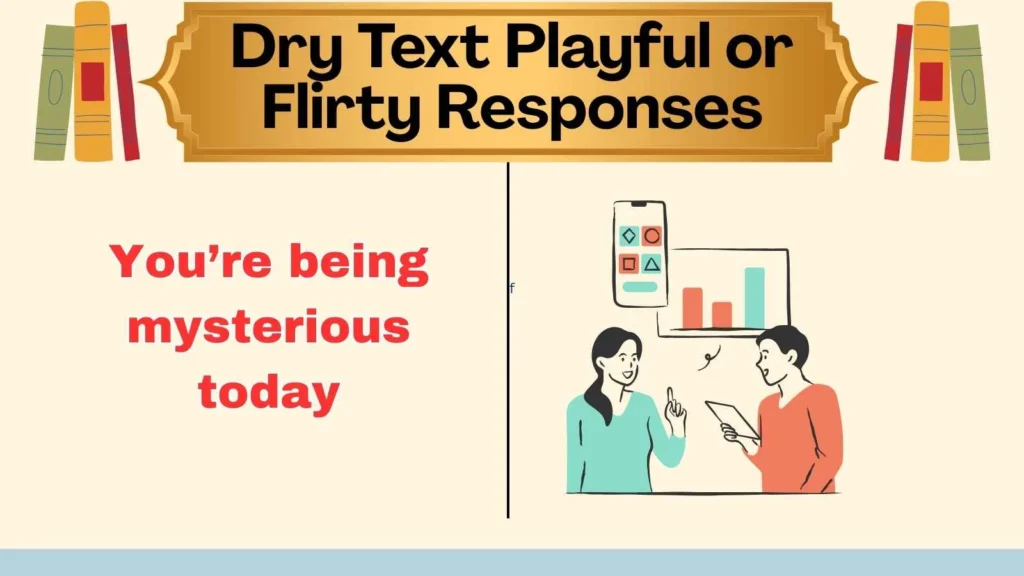
Useful in dating when tension feels low.
Examples:
- That’s all I get 😄
- You’re being mysterious today
Playful nudges invite engagement without pressure.
Direct but Polite Communication
When confusion builds, clarity wins.
Examples:
- You seem quiet lately, everything okay
- I feel like I’m carrying the convo, just checking in
Directness saves time and emotional energy.
When Dry Texting Becomes Repetitive
This is the turning point.
Signs to stop chasing:
- You initiate every conversation
- Replies never evolve
- Energy never matches
At this stage, silence often speaks louder than another message.
Dry Text vs Similar Terms
Understanding related phrases prevents confusion.
Dry Text vs Cold Replies
Cold replies feel intentionally distant. Dry texts feel neutral.
Dry Text vs Ghosting
Ghosting is silence. Dry texting is minimal presence.
Dry Text vs Breadcrumbing
Breadcrumbing gives just enough to keep hope alive. Dry texts usually don’t.
Hidden Emotional Meanings Behind Dry Texts
Sometimes dry texts hide deeper emotions.
Emotional Distancing
Pulling back without confrontation.
Conflict Avoidance
Avoiding tough conversations by reducing engagement.
Unspoken Resentment
Low effort replaces honesty.
Silence with words can still be silence.
Dry Texting in Professional Communication
In professional settings, dry texting often means efficiency, not emotion.
When Dry Texts Are Appropriate
- Work updates
- Task confirmations
- Deadlines
Examples:
- Noted
- Approved
- Will do
When It Becomes a Problem
- Client communication
- Team morale
- Leadership tone
Professional dry texts should remain clear, respectful, and timely.
Usage of Dry Text in Online Communities and Dating Apps
On dating apps, dry texts are common.
Reasons include:
- Message overload
- Low emotional investment
- Casual browsing mindset
Common phrases:
- hey
- ok
- lol yeah
Online communities often use dry text intentionally to:
- Avoid drama
- Maintain boundaries
- Keep interactions surface-level
Examples of Dry Text Messages
Common Dry Text Examples
- k
- idk
- fine
- whatever
- sure
Improved Alternatives
| Dry Text | Better Option |
|---|---|
| ok | Sounds good |
| fine | I’m alright, just tired |
| idk | Not sure yet, what do you think |
Small changes shift tone dramatically.
Frequently Asked Questions About Dry Text Meaning
What is considered a dry text
A dry text is a message that lacks emotion, engagement, or conversational effort.
Is dry texting rude
Not always. Context, personality, and situation matter.
Does dry texting mean no interest
Often, but not always. Look for patterns instead of single messages.
Can dry texting be fixed
Yes, through better communication or matching energy levels.
Should I confront someone about dry texts
If it affects you emotionally and repeats often, honest conversation helps.
Conclusion
Understanding dry text meaning saves time, emotional energy, and unnecessary overthinking. Not every short reply hides a message. Not every dry text means rejection. Context, consistency, and communication style decide everything.
When in doubt, observe patterns, not single messages. Respond with confidence. Ask for clarity when needed. And remember, the right conversations never feel like pulling teeth.
Clear communication beats silent assumptions every time.

Smith writes for AniversaryLove.com, sharing touching stories and tips to make love last a lifetime. With a passion for celebrating relationships, Smith inspires readers to cherish every special moment. Through heartfelt guidance, every article sparks romance and connection.