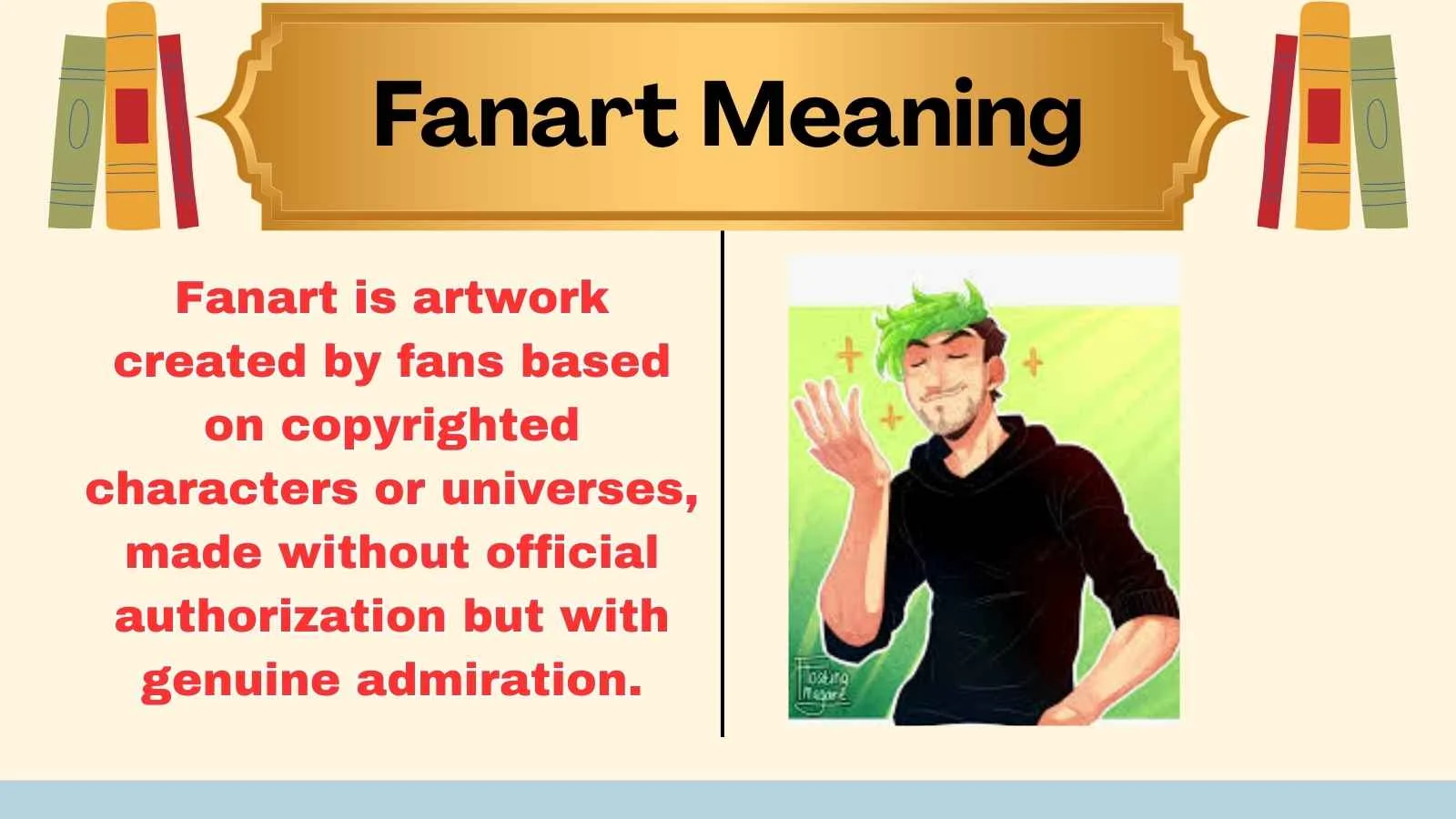
Fanart Meaning refers to artwork created by fans that is inspired by existing characters, stories, celebrities, games, movies, anime, or comics. It represents creative expression, imagination, and emotional connection between fans and the original work they admire.
Fanart is widely shared across online communities, social media platforms, and digital art spaces, where artists reinterpret familiar characters using unique styles, themes, and perspectives. Understanding fanart meaning helps explain why fan-created illustrations, sketches, and digital paintings hold such strong value in fandom culture. It is not just art; it reflects passion, tribute, and personal storytelling.
From anime fanart and superhero illustrations to game character redesigns, fanart plays a vital role in shaping fandom identity, encouraging artistic growth, and building global communities. This concept also raises discussions around copyright, fair use, and artistic freedom, making fanart an important topic in modern digital creativity and pop culture.
What Does Fanart Mean
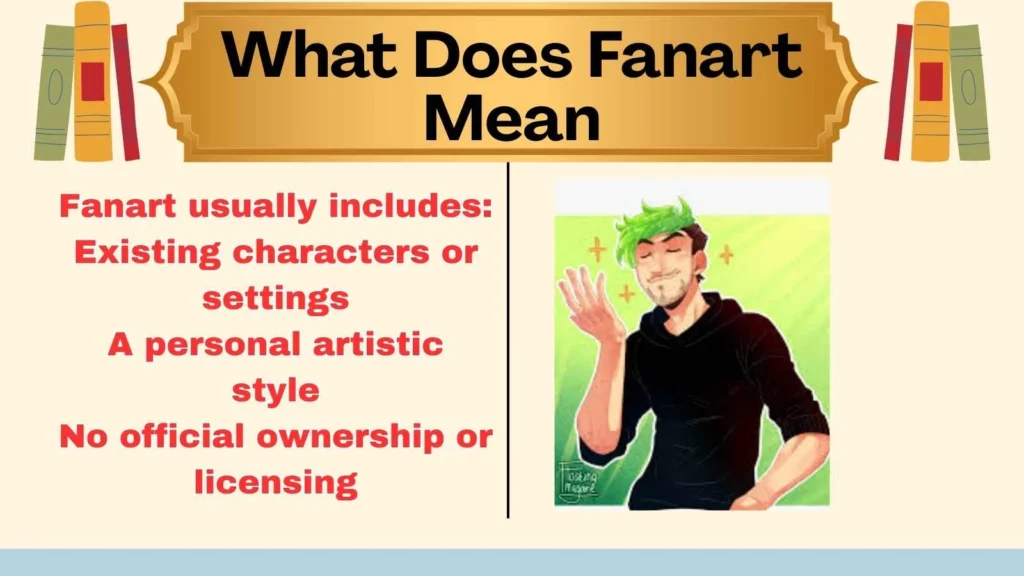
The most accurate way to explain fanart meaning is this:
Fanart is artwork created by fans based on copyrighted characters or universes, made without official authorization but with genuine admiration.
Fanart usually includes:
- Existing characters or settings
- A personal artistic style
- No official ownership or licensing
- Creative reinterpretation rather than duplication
Unlike official art, fanart doesn’t aim to replace the original work. Instead, it expands on it. Think of fanart as a conversation between the fan and the source material.
Fanart vs Official Artwork
| Aspect | Fanart | Official Art |
|---|---|---|
| Creator | Fan or enthusiast | Studio or licensed artist |
| Purpose | Expression and tribute | Marketing or storytelling |
| Ownership | Fan-created | Copyright holder |
| Style | Personal and varied | Brand-consistent |
This difference matters because it defines how fanart is viewed legally, socially, and creatively.
Origin and Evolution of Fanart
Fanart existed long before the internet made sharing easy.
Early Roots
In the 1960s and 1970s, science fiction fans created drawings of characters from Star Trek and Star Wars in homemade magazines called fanzines. These were printed, mailed, and traded by hand. That effort alone shows how powerful fandom passion has always been.
The Internet Era
Once online forums appeared, fanart spread faster. Platforms like DeviantArt, Tumblr, and later Twitter and Instagram turned fanart into a global language. Suddenly, an artist in one country could inspire thousands across the world overnight.
Modern Fanart Culture
Today, fanart:
- Launches professional art careers
- Influences character popularity
- Shapes fandom identity
- Drives trends in illustration styles
Fanart has evolved from a niche hobby into a recognized creative force.
Why People Create Fanart
People don’t create fanart randomly. There’s usually a strong emotional reason behind it.
Emotional Connection
You relate to a character. Their story mirrors something in your own life. Drawing them feels personal. Fanart becomes a way to say, “This mattered to me.”
Creative Practice
Many artists use fanart to:
- Improve anatomy and composition
- Practice coloring techniques
- Learn storytelling through visuals
Working with known characters removes one creative barrier and lets artists focus on skill growth.
Community Recognition
Fanart connects people. When others like or share your work, it feels validating. That feedback loop keeps artists motivated.
Types of Fanart
Fanart comes in many forms. Each serves a different creative purpose.
Digital Fanart
Created using drawing tablets and software. This is the most common form today.
Popular traits
- Clean linework
- Bright colors
- Easy sharing
Traditional Fanart
Hand-drawn using pencils, ink, paint, or markers. Many fans still prefer physical mediums for their tactile feel.
Fanart Illustrations vs Fan Comics
- Illustrations capture a single moment
- Fan comics expand stories or explore “what if” scenarios
Stylized vs Realistic Fanart
| Style | Description |
|---|---|
| Stylized | Exaggerated features, unique aesthetics |
| Realistic | Close to real-life anatomy and textures |
Both styles reflect how fans interpret the same characters differently.
Where Fanart Is Commonly Used
Online Fan Communities
Fanart thrives in spaces built around shared interests. These communities offer:
- Constructive feedback
- Shared challenges
- Collaborative projects
You’ll often see fanart used as profile images or banners, reinforcing group identity.
Social Media Platforms
Fanart performs well visually. Platforms like Instagram and Twitter reward striking images with reach and engagement.
Common uses
- Hashtag challenges
- Character anniversaries
- Trending fandom moments
Conventions and Exhibitions
Artist alleys at conventions showcase fanart prints, stickers, and posters. For many artists, these events are their first taste of monetizing creativity.
Everyday and Casual Usage
In casual conversation, “fanart” often means:
- A drawing made by a fan
- An unofficial version of a character
- A creative tribute
Example:
“That’s not official art. It’s fanart.”
Legal and Copyright Considerations
This is where fanart meaning becomes more complex.
Is Fanart Legal
Fanart exists in a gray area. Most fanart technically uses copyrighted characters. However:
- Many copyright holders tolerate non-commercial fanart
- Problems arise when fanart is sold or misrepresented
Common Myths
- Myth: Fanart is always illegal
- Truth: Enforcement varies by copyright owner
Smart Practices for Artists
- Credit the original source
- Avoid copying official art exactly
- Don’t claim ownership of characters
Understanding these boundaries protects both artists and fans.
Common Misconceptions About Fanart
Fanart Equals Plagiarism
False. Plagiarism copies. Fanart transforms. Original interpretation matters.
Fanart Is Amateur
Many professional artists started with fanart. Skill level varies widely.
Fanart Has No Value
The Fanart builds communities, inspires creators, and shapes pop culture trends.
Fanart vs Similar Terms
Fanart vs Original Art
Original art comes entirely from the artist’s imagination. Fanart builds on existing worlds.
Fanart vs Fan Edit
Fan edits modify existing images or videos. Fanart is created from scratch.
Fanart vs Parody Art
Parody art focuses on humor or satire. Fanart focuses on admiration.
Cultural and Regional Differences in Fanart
Fanart meaning shifts slightly across cultures.
Anime and Manga Culture
In Japan, fanart blends into doujin culture, where fans create and sell unofficial works openly at events.
Western Fandoms
Western fanart emphasizes individuality and personal style.
Cultural Respect
Artists often adapt characters respectfully while blending cultural influences.
Is Fanart Ever Offensive or Problematic
Yes, sometimes.
When Issues Arise
- Misrepresentation of cultures
- Sexualization of minors
- Ignoring character context
Communities often self-regulate by calling out harmful interpretations.
Using the Term Fanart Professionally
Portfolios
Fanart can demonstrate:
- Technical skill
- Style versatility
- Audience appeal
Commissions and Branding
Some artists transition from fanart into original IP work after building an audience.
Professional Language
Using the term correctly shows respect for creators and copyright holders.
How to Respond When Someone Mentions Fanart
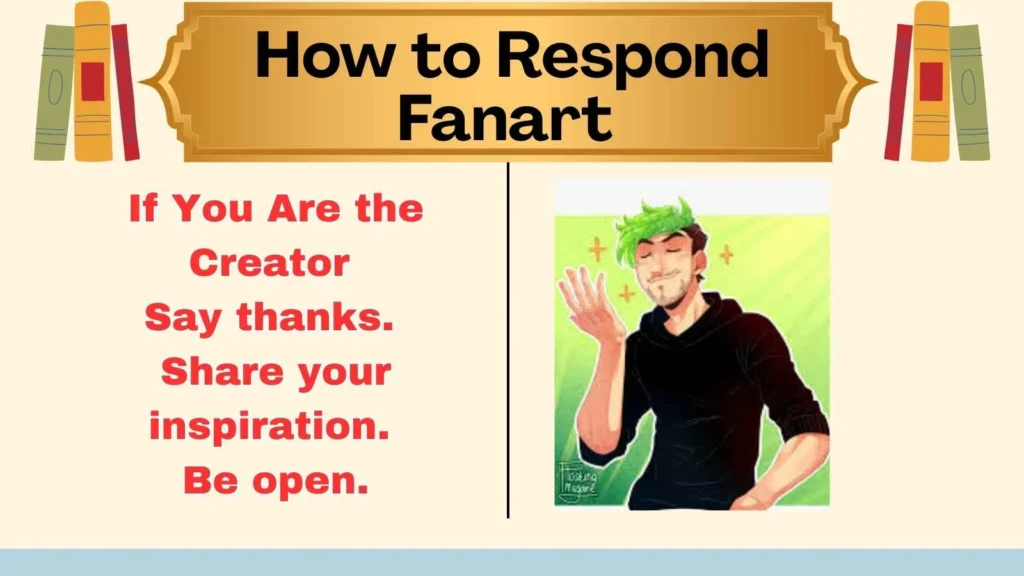
If You Are the Creator
Say thanks. Share your inspiration. Be open.
If You Are the Viewer
Compliment the style. Avoid comparing it to official art.
If You Are the Rights Holder
Clear guidelines help maintain healthy fandom relationships.
Why Fanart Matters in Modern Creativity
Fanart acts as:
- A creative training ground
- A cultural bridge
- A community builder
Many illustrators working today built their audience through fanart before launching original projects.
Fanart doesn’t replace original art. It feeds it.
FAQs
What is the exact fanart meaning
Fanart means artwork created by fans based on existing characters or universes, made as a tribute rather than official content.
Is fanart allowed on social media
Yes, most platforms allow fanart as long as it doesn’t violate copyright or community rules.
Can beginners create fanart
Absolutely. Fanart is often the starting point for learning art fundamentals.
Does fanart need permission
Usually no for sharing, but permission is needed for commercial use.
Is fanart considered creative work
Yes. Fanart involves interpretation, style, and artistic decision-making.
Conclusion
Understanding fanart meaning goes far beyond a simple definition. Fanart represents passion, creativity, and connection. It allows fans to participate in the worlds they love rather than just consume them.
From humble sketches to professional-level illustrations, fanart shapes how stories live beyond the screen or page. It keeps fandoms alive, encourages artistic growth, and reminds us that creativity doesn’t always start from scratch. Sometimes, it starts with love.
When you see fanart next time, you’re not just looking at a drawing. You’re seeing a conversation between imagination and admiration.
Jhon is a passionate writer at AniversaryLove.com, dedicated to sharing heartfelt messages and creative ways to celebrate love and special moments. With a flair for crafting emotional and relatable content, he inspires readers to express their feelings in meaningful ways. His words connect hearts and make every celebration unforgettable.