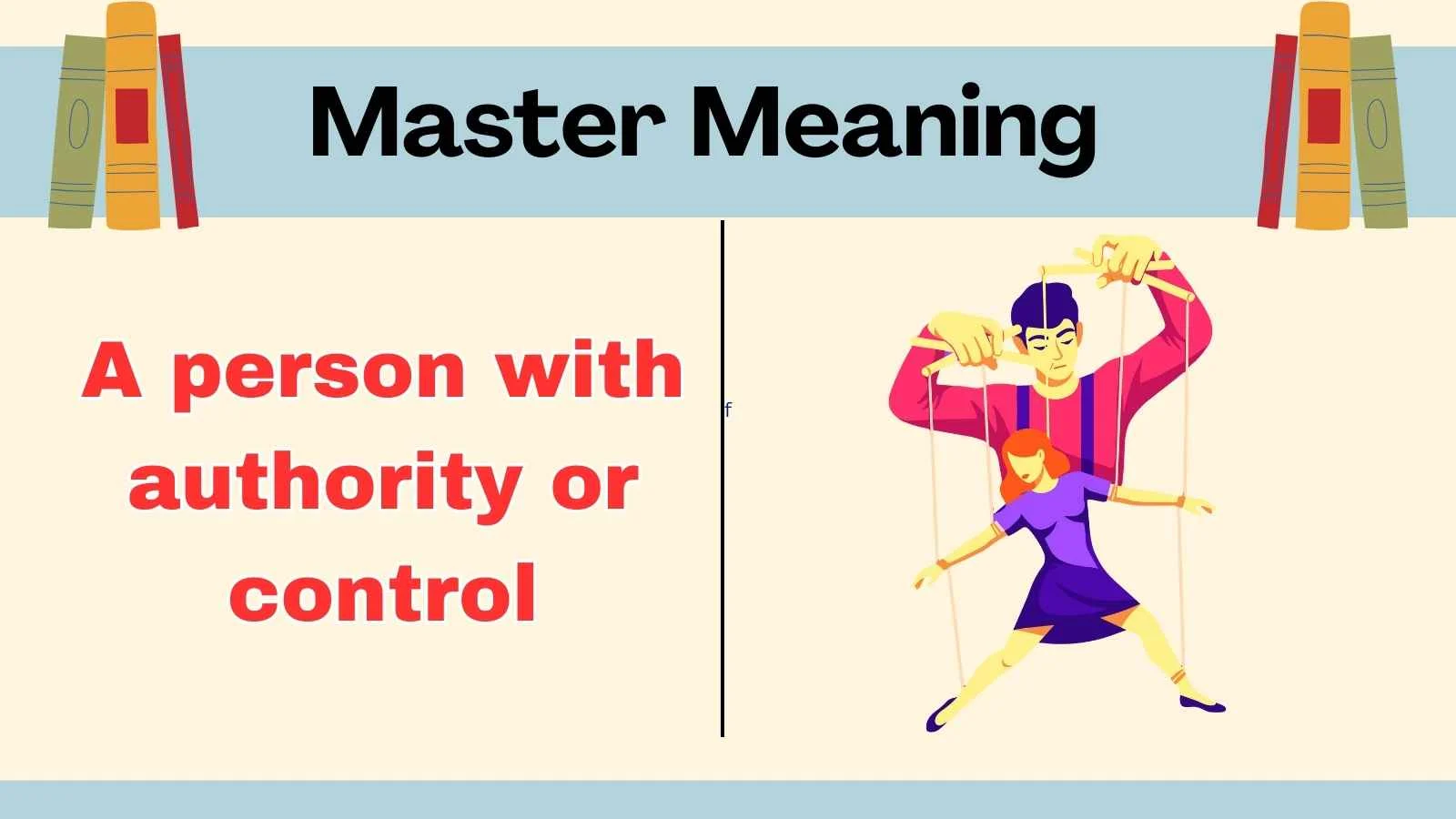
Master Meaning holds a powerful significance that goes far beyond a simple definition, and understanding it can reshape the way we think, learn, and grow.
In today’s fast-paced world, people constantly search for deeper clarity, stronger purpose, and practical wisdom—and this term delivers exactly that. When you explore the true essence of mastery, it connects to ideas like skill development, personal excellence, knowledge expansion, and intentional growth.
The concept encourages you to elevate your mindset, strengthen your direction, and build a more focused approach toward success.
Master Meaning: What the Term Really Means Across Modern Language, Culture, and Communication
Core Definition of “Master”
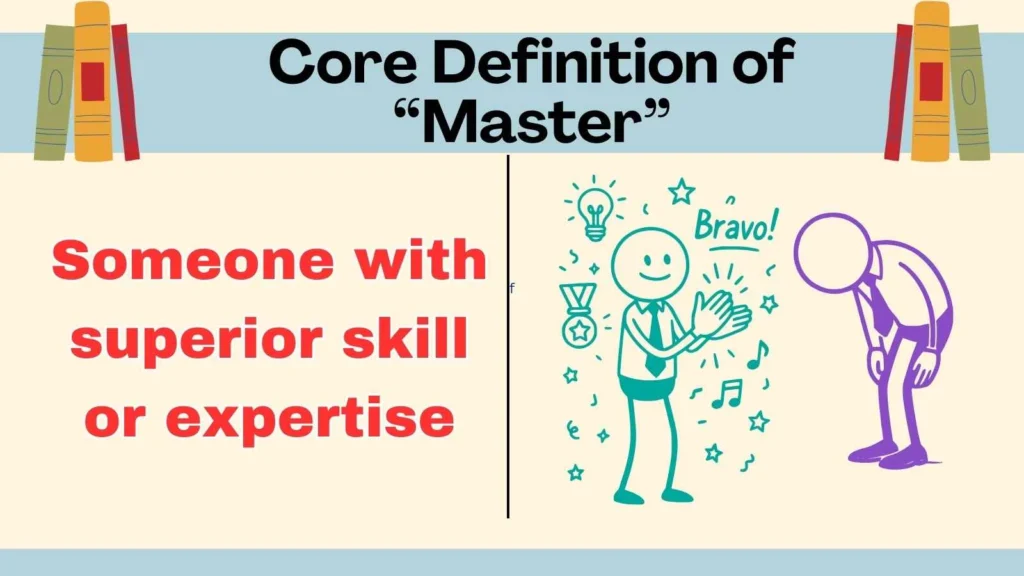
The Master Meaning shifts depending on who says it, where it’s said, and why. But its core definitions still guide the modern usage.
Primary Definitions
The word master traditionally means:
- A person with authority or control
- Someone with superior skill or expertise
- An owner or leader
- A title for someone who has achieved mastery
These definitions trace back to old hierarchical systems, but today, “master” often describes skill, mentorship, leadership, or proficiency.
Modern Interpretations
In everyday conversation, the word can mean:
- Someone extremely good at something
- Someone who controls or manages something
- Someone who leads a group or system
- Someone viewed as dominant in a playful or joking way
You’ll see people use master sincerely, humorously, sarcastically, competitively, and sometimes critically.
Historical Background
Understanding the history behind the Master Meaning helps explain why people react to the word differently today.
Origins
- Comes from Latin “magister,” meaning chief, teacher, leader, or director.
- Entered Old English as “mægster” and later master.
- Historically used for:
- Skilled craftsmen (“master carpenter”)
- Heads of households
- Teachers and mentors
- Social superiors
Evolution Through Time
Over centuries, the meaning shifted:
- Middle Ages: A title of respect for skilled workers or scholars
- Early Modern Period: Linked to hierarchy and ownership
- Industrial Age: Used in trades, crafts, apprenticeships
- Modern Day: Largely means expert or pro-level skill
Yet some historical associations still influence how people interpret the word today.
Modern Usage Across Contexts
Meaning in Texting
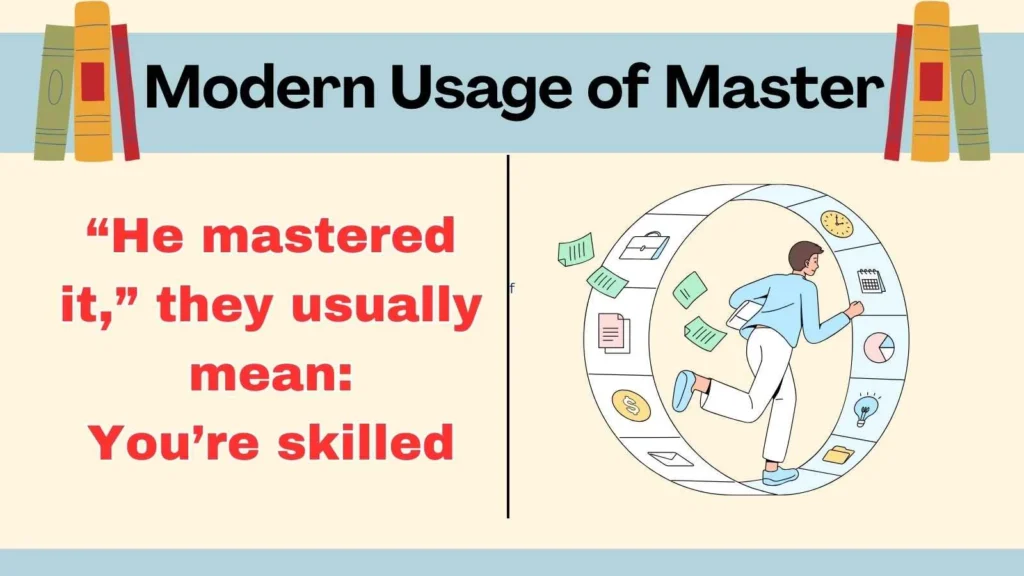
When someone texts “You’re a master” or “He mastered it,” they usually mean:
- You’re skilled
- You did something perfectly
- You dominated a challenge
- You handled a situation intelligently
It’s almost always positive, casual, and quick.
Examples in texting:
| Text Message | Meaning |
|---|---|
| “Bro you mastered that level” | You nailed the task |
| “She’s a master at this” | She’s highly skilled |
| “Teach me, master 😂” | Playful or joking respect |
Tone matters more than grammar here.
Meaning on Social Media
Social platforms shape slang, humor, and nuance, which affects the Master Meaning online.
You’ll see master used:
- As a compliment
- As a meme (“master of chaos”)
- As sarcasm (“oh yes, the master speaks 😒”)
- As a label for experts (editing master, fitness master)
Hashtags that often show up:
- #mastermind
- #masterofskills
- #masteredit
- #masterplayer
Creators use it to brand themselves, while followers use it to hype someone up.
Meaning in Gaming
Gaming communities use the word master in specific and structured ways.
Common Gaming Uses
- Rank title: Many games use ranks like Master, Grandmaster, Master tier.
- Skill label: Someone dominating gameplay is “a master.”
- Role title: Strategy games often call the leader “master.”
Gaming Examples:
| Game Context | Master Meaning |
|---|---|
| “He’s Master rank” | High-tier competitive player |
| “Master that combo” | Perfect a move or skill |
| “Grandmaster level” | Elite category |
Gamers normally treat it as skill-based—not personal or hierarchical.
Meaning in Everyday Speech
People use master casually more often than you might think.
Examples:
- “She mastered the recipe.”
- “He’s a master storyteller.”
- “You’ve mastered the art of timing.”
There’s no hierarchy in these examples. It simply means someone is very good at something.
Contextual Nuances & Interpretations
Tone, situation, and relationship dramatically shape the Master Meaning.
Positive Connotations
- Expertise
- Achievement
- Respect
- Admiration
Neutral Connotations
- Technical or academic usage (Master’s degree)
- Object labeling (“master file,” “master switch”)
Negative or Controversial Connotations
- Historical power structures
- Dominance over people
- Misuse in sensitive contexts
It’s All About Intent
A single word can completely change meaning depending on tone:
- “Teach me, master 😄” — playful
- “Yes, master…” — sarcastic
- “He’s the master of this skill” — respectful
- “He acts like he wants to be everyone’s master” — critical
Common Misconceptions
Because the word has centuries of history behind it, people often misunderstand the Master Meaning.
Misconception 1: It’s always a hierarchical title
Not true. Most modern use refers to skill, not control.
Misconception 2: It’s always offensive
Context matters.
Calling someone a “master chef” is not controversial.
Misconception 3: It’s only for formal situations
You’ll see it everywhere—texting, memes, gaming, workplace systems, creative arts, and even pet training.
Misconception 4: It only applies to people
“Master list,” “master key,” and “master controller” are used in tech, engineering, and logistics.
Similar Terms & Modern Alternatives
When people want a softer or more neutral version of the Master Meaning, they often use alternatives.
Skill-Based Alternatives
- Expert
- Pro
- Specialist
- Coach
- Veteran
Leadership Alternatives
- Mentor
- Coach
- Supervisor
- Guide
- Lead
Creative Alternatives
- Artist
- Wizard (playful)
- Genius
- Architect
These alternatives work well when “master” feels too strong or formal.
How to Reply When Someone Uses the Term
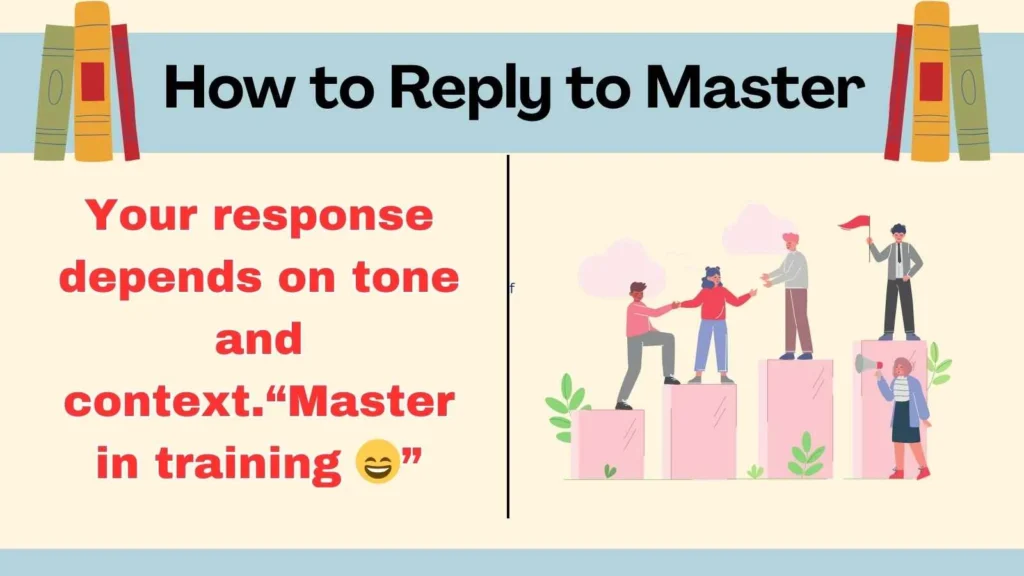
Your response depends on tone and context.
Playful Context
- “Haha I try!”
- “Master in training 😄”
- “Only on good days.”
Respectful Context
- “Thank you, that means a lot.”
- “Appreciate the compliment.”
Sarcastic Context
- “Alright, alright… no need for sarcasm.”
- “Relax, I’m trying 😅”
Unclear Intent
- “What do you mean?”
- “Can you clarify that?”
Matching tone keeps communication smooth.
Regional, Generational, and Cultural Differences
The Master Meaning changes across the world due to cultural expectations and linguistic habits.
Western Countries
- Often used for expertise.
- Can be sensitive in historical contexts.
- Some corporate environments avoid it for neutrality.
East Asian Countries
- “Master” often means teacher, mentor, or high-level expert.
- Used with deep respect in martial arts, craftsmanship, and traditional arts.
Younger Generations
- Use it jokingly
- Use it for gaming
- Use it ironically (“master of chaos”)
Older Generations
- May link the word to authority or formality.
- Less likely to use it sarcastically.
Online Community Usage
Digital communities shape modern language faster than ever.
1 How Reddit Uses the Word
- In-depth posts praising expertise
- Meme responses
- Skill-based recognition
2 How TikTok Uses It
- Captions praising creators
- Labels like “makeup master,” “editing master”
- Humorous exaggeration
3 How Discord Uses It
- Role titles
- Gaming ranks
- Community moderators with “master” in their tag
4 How Twitter/X Uses It
- Sarcasm
- Praise
- Commentary on someone’s skill or downfall
Every platform adds its own flavor to the Master Meaning.
Potential Offensive or Sensitive Meanings
Some uses of “master” can be sensitive depending on region and context.
When It Can Be Inappropriate
- When used to imply control over a person
- When referencing historical systems of power
- When used without awareness of cultural sensitivity
Words to Avoid in Sensitive Settings
- Master/slave terminology (tech industries have replaced this with “primary/secondary” or “leader/follower”)
- Titles that imply ownership over individuals
Awareness goes a long way in professional and multicultural environments.
Professional and Workplace Suitability
In business, the Master Meaning takes on very specific roles.
Common Professional Uses
- Master’s degree (graduate-level qualification)
- Master list (main list)
- Master document (original version)
- Master key (universal access key)
- Masterclass (high-level lesson)
These uses are technical, not emotional.
When to Avoid the Word
- When describing employees
- In diversity or HR contexts
- In international teams where hierarchy sensitivity is high
Recommended Alternatives
- Lead
- Principal
- Senior
- Primary
- Core
Comparison With Closely Related Terms
To fully grasp the Master Meaning, it helps to compare it with similar words.
| Term | Meaning | Difference From “Master” |
|---|---|---|
| Expert | Highly knowledgeable | Focuses on knowledge, not dominance |
| Mentor | Guide who teaches | Relationship-focused, not skill ranking |
| Leader | Directs and influences | About direction, not expertise alone |
| Pro | Professional level | More informal and skill-based |
| Elite | Top-level performer | Doesn’t imply teaching or authority |
Case Study: How “Master” Changes Across Situations
Case Study 1: The Workplace
A design company uses:
- “Master file” for the original file
- “Master layout” for core templates
No one interprets it personally. It’s purely technical.
Case Study 2: Gaming Community
A player reaches Master rank in a strategy game.
Here, “master” signals achievement, not personality or behavior.
Case Study 3: Social Media Influencer
A skincare creator posts:
“You’re the master of routines!”
This is praise, not hierarchy.
Case Study 4: Cultural Setting
In a martial arts school, “master” means:
- Teacher
- Elder
- Head instructor
A deeply respectful title.
Case Study 5: Misinterpretation
Someone texts “Yes, master…” sarcastically, but the other person takes it literally.
Miscommunication occurs because tone wasn’t obvious.
FAQs
H3: What does “master” mean in simple terms?
It usually means someone is highly skilled or in control of a task or ability.
H3: Is “master” a positive word?
Most of the time, yes. It can be praise, but context matters.
H3: Can “master” be offensive?
It can be sensitive in contexts linked to power, dominance, or historical issues, but not in general skill-based usage.
H3: What’s a modern alternative to “master”?
Expert, pro, mentor, and specialist are common choices.
H3: Does “master” mean the same thing online and offline?
Not always—online it’s often playful, sarcastic, or exaggerated.
Conclusion
The Master Meaning is far richer and more complex than most words in everyday vocabulary. Its meaning shifts based on history, culture, tone, platform, and intention.
Sometimes it reflects deep respect. Other times it’s purely about skill. And in certain contexts, it requires careful use.
Knowing how, when, and why to use the word makes communication smoother and smarter—because understanding language on this level helps you navigate conversations with clarity, confidence, and cultural awareness.

Jhon is a passionate writer at AniversaryLove.com, dedicated to sharing heartfelt messages and creative ways to celebrate love and special moments. With a flair for crafting emotional and relatable content, he inspires readers to express their feelings in meaningful ways. His words connect hearts and make every celebration unforgettable.