
Straub Meaning often sparks curiosity because it carries layers of history, linguistic depth, and cultural significance that many readers overlook.
Understanding this term opens the door to its etymological roots, its evolution across regions, and the subtle symbolism attached to names throughout generations. In modern discussions, the word frequently appears in topics related to heritage, family lineage, surname origins, and identity exploration, making it a compelling subject for anyone interested in how names shape personal and social narratives.
By uncovering the true essence behind Straub, readers gain insight into not just a name, but a rich legacy shaped by tradition, migration, and language. This introduction will help you explore the deeper context, hidden associations, and broader interpretations connected to the Straub Meaning, offering a clear and engaging pathway to understanding its relevance today.
Straub Meaning: What Does “Straub” Actually Mean?
The word Straub traces back to Old High German, where it referred to someone rough, strong, or unkempt. Early societies often assigned surnames based on personality traits, physical characteristics, or occupations, and Straub was no different. The name likely described a bold or spirited person—someone a little wild, tough, or stubborn in a rugged, admirable way.
Some key definitions connected to the word include:
- Rough or rugged
- Strong-willed or stubborn
- Someone with tangled or tousled hair
- A person known for physical strength or bold behavior
These meanings evolved with time as German dialects changed, but they all revolve around personal character and outward appearance—making Straub a meaningful descriptor, not just a random label.
Linguistic Roots and Etymology of Straub
Etymology reveals the life of a word—how it began, how it traveled, and how it changed. Understanding the Straub meaning fully requires a deeper look at the linguistic evolution behind it.
Old High German Origins
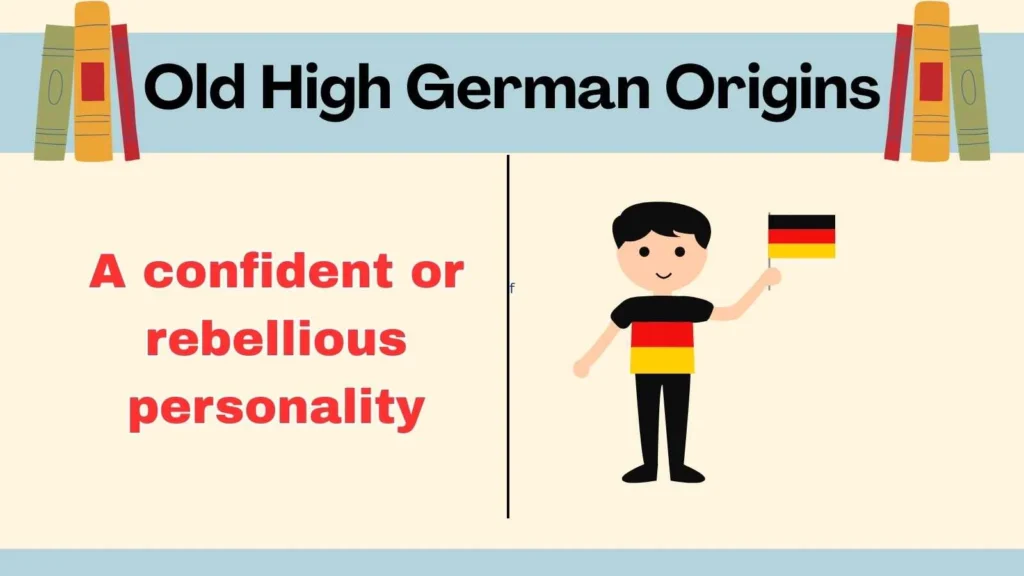
Early Germanic languages often formed names from everyday observations. In Old High German texts, the root “strūp” or “strūben” described something ruffled or bristled. Think of hair sticking out after a windy day or a person whose wild energy showed before they even spoke.
Traits implied by the original word included:
- Physical toughness
- A confident or rebellious personality
- Slightly disheveled appearance
- A person who didn’t mind hard work or rough living
In small medieval communities, such physical descriptors became identifiers. If your great-grandfather had a wild shock of hair or an untamable attitude, he might’ve been called Straub long before it became a hereditary surname.
Influence of Middle High German
As the language shifted into Middle High German, the word appeared in records with spelling variations like:
- Strub
- Straube
- Straupe
Each variant carried a similar meaning but reflected pronunciation changes across regions.
Historical observations suggest that during this period, Straub may also have connected to:
- People working in tough rural environments
- Soldiers or guards known for stern or fierce expressions
- Individuals whose appearance suggested strength or resilience
Middle High German allowed surnames to stabilize, so the Straub families we know today often trace their hereditary names back to this era.
Modern German and English Adaptations
When the name traveled outside German-speaking regions—especially during immigration waves to North America—spelling and pronunciation changed. English speakers often simplified the name, dropping letters or syllables to match their own phonetic patterns.
Common modern pronunciations include:
- “Strowb”
- “Strawb”
- “Str-ow-b” (slow pronunciation)
Despite the slight adjustments, the original meaning remained intact: a strong or spirited person.
Straub as a Surname: Historical and Genealogical Significance
Once surnames became hereditary, Straub families developed recognizable lineages, traditions, and migration paths. Today, the surname appears in historical documents dating back centuries across German-speaking regions.
Geographic Origins in Europe
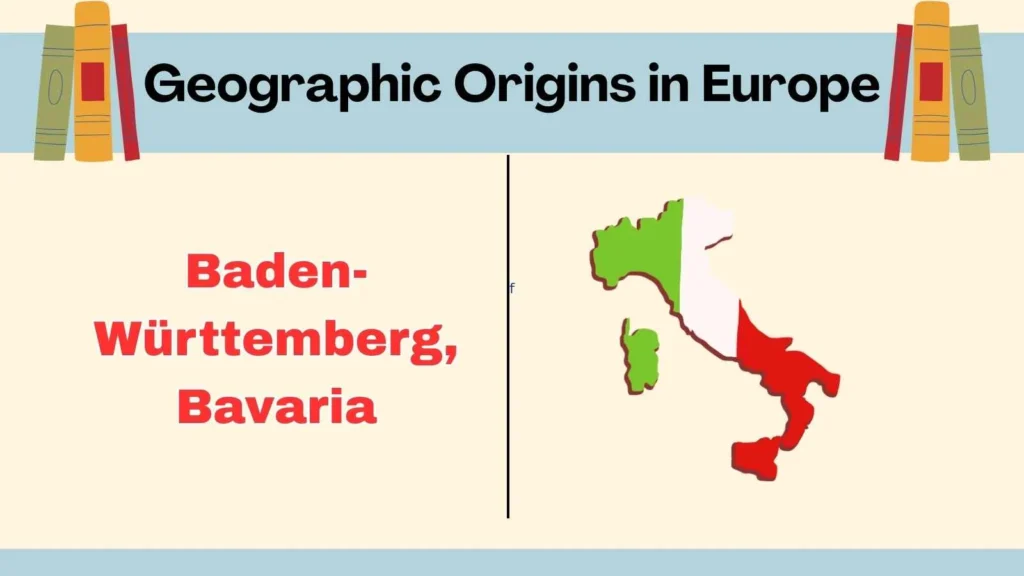
Historically, the surname Straub is most closely associated with regions in:
- Southern Germany (Baden-Württemberg, Bavaria)
- Switzerland
- Parts of Austria
These areas shared linguistic roots and cultural traditions that preserved the name for centuries.
A typical pattern looked like this:
| Region | Notes on Usage |
|---|---|
| Bavaria | Most common; many family records begin here |
| Baden-Württemberg | Strong presence in rural communities |
| Austrian Alps | Appears in village parish records from medieval times |
| Switzerland | Spelled Straub or Straube depending on canton |
Families often migrated for work, trade, or safety, leading to the spread of the surname across Europe and eventually into North America.
Meaning Within Family History
Historically, surnames based on traits were incredibly common. Straub indicated a personality or physical attribute, similar to surnames like:
- Schwartz (dark-haired)
- Klein (small)
- Krause (curly-haired)
Straub fit this same pattern: it meant something about the person who first carried it.
Possible interpretations include:
- A villager known for bristly hair
- A strong farm worker with a rugged countenance
- A warrior or soldier with a bold, fierce demeanor
- A stubborn or spirited personality—respected in traditional German culture
Families with the name often inherited not just the surname but also the stories and reputation associated with it.
Notable Families and Lineages
Across Europe and the United States, the Straub surname appears in the records of:
- Immigrant settlers who arrived between the 1700s–1900s
- Craftsmen, including millers, carpenters, and blacksmiths
- Military servicemen in German and Austrian armies
- Founders of early American communities
One well-known example is the Straub Brewery in Pennsylvania, founded in 1872 and still operating today—a symbol of the name’s long-standing entrepreneurial presence.
Usage of “Straub” in Different Contexts
Beyond genealogy, the word Straub appears in several cultural, social, and professional contexts. Each adds depth to its meaning and reflects how language evolves with society.
Genealogy and Family Research
People researching the surname Straub often look for:
- German parish records
- European immigration documents
- Ship passenger lists
- Census records in the United States and Canada
- Town registries in Bavaria and Württemberg
Researchers typically discover:
- Strong rural roots
- Large family branches
- Frequent records in farming and artisan communities
- Multiple variations of the name due to regional dialects
Tip: When researching Straub ancestry, always check for spelling variants like Straube, Strub, Stroup, and Straupe.
Cultural and Social References
The surname appears in cultural references such as:
Folklore
Certain regions associated “Straub” with strong or bold characters, sometimes portraying them as heroes or stubborn but lovable figures.
Literature
Older German literature occasionally mentions characters with the surname, emphasizing toughness or resilience.
Regional Traditions
Some German festivals use surnames symbolically to represent archetypes—Straub often symbolizing strength or spirited energy.
Everyday Speech or Expressions
Although Straub is not widely used as a modern word outside names, in some older dialects it can still mean:
- Unruly hair
- A tangled object
- Someone acting stubborn or rough
This usage is more historical than current but adds flavor to the word’s evolution.
Professional, Historical, and Academic Contexts
Historically, Straub appears in:
- Tax records
- Church documents
- Guild memberships
- Military enlistment logs
Professionally, the name appears in:
- Business names (e.g., Straub Brewery)
- Medical literature (e.g., Straub procedure in urology)
- Academic publications by individuals bearing the surname
These references highlight how widely the name appears across sectors.
Variants and Related Surnames
Many families that originated with Straub eventually adopted spelling variations due to regional accents, migrations, clerical errors, or Americanization.
Common Variants
- Strub
- Straube
- Straubeck
- Stroup
- Stroop
- Straupe
Why Variants Occur
- Border shifts in Europe
- Differences in dialects
- English-speaking immigrants simplifying spelling
- Handwritten record inconsistencies
A researcher studying Straub ancestry should always widen their search to include these variations.
Modern-Day Presence of the Name
The Straub surname remains active and widespread in the 21st century.
Global Distribution Today
While exact numbers vary, Straub appears most commonly in:
| Country | Notes |
|---|---|
| Germany | Highest concentration today |
| United States | Large Straub communities from 1700s–1900s immigration |
| Canada | Smaller but consistent presence |
| Switzerland | Historic roots remain steady |
| Austria | Appears in alpine regions and urban centers |
Modern-day migration and global mobility have spread the name even further.
Prominent Figures with the Name “Straub”
Several notable individuals helped shape the public perception of the surname:
- Peter Straub — Acclaimed American author known for psychological and horror fiction
- Jean-Marie Straub — Influential French filmmaker associated with minimalist cinema
- The Straub Family of Pennsylvania — Owners of one of America’s oldest breweries
- Sports professionals — Athletes in baseball, winter sports, and football carrying the surname
Each figure adds a layer of cultural identity to the name.
The Name in Business, Brands, or Locations
The Straub name appears in:
- Brewery names
- Medical procedures
- Town names
- Local landmarks
- Family-owned businesses across Germany and North America
These uses highlight both heritage and community presence.
FAQs About Straub Meaning
How old is the surname Straub?
Most records trace the name back to medieval Germany, making it several hundred years old with strong linguistic roots in Old High German.
Is Straub a common surname?
It’s moderately common in Germany and North America, especially in regions with strong German immigrant histories.
Does Straub have a symbolic meaning?
Yes. Historically, it symbolized someone bold, rugged, or strong, often with a naturally wild personality or hair.
How do you pronounce Straub?
Common pronunciations include “strowb” or “strawb.” Regional variations may differ.
What is the most common variant of Straub?
Straub and Strub are the most widespread, though regions may prefer Straube or Stroup.
Final Thoughts
The Straub meaning holds much more depth than a simple translation. It reflects centuries of migration, evolving language, and personal identity.
The name carries a legacy of rugged strength, spirited character, and cultural richness rooted firmly in Germanic tradition.
Whether you’re exploring your family tree, researching surname history, or simply curious about its origin, Straub offers a fascinating glimpse into how personal names carry stories that outlast generations.

Jhon is a passionate writer at AniversaryLove.com, dedicated to sharing heartfelt messages and creative ways to celebrate love and special moments. With a flair for crafting emotional and relatable content, he inspires readers to express their feelings in meaningful ways. His words connect hearts and make every celebration unforgettable.